

Not sure if your or your loved one’s health issue can be managed with in-home physiotherapy? You might be surprised at the wide range of conditions mobile physios treat. From chronic aches to post-surgery rehab, a qualified physiotherapist can bring the clinic to your living room and tailor treatment to your needs. In the Sunshine Coast – where many seniors prefer to age in place – mobile physio services have experience with everything from helping recovery after a knee replacement to exercises that improve balance for fall prevention. Below, we cover some of the most common conditions and scenarios where mobile physiotherapy can make a huge difference.
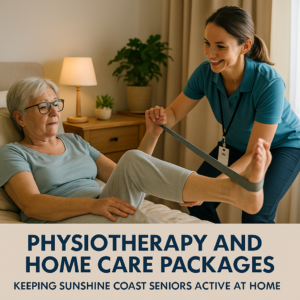
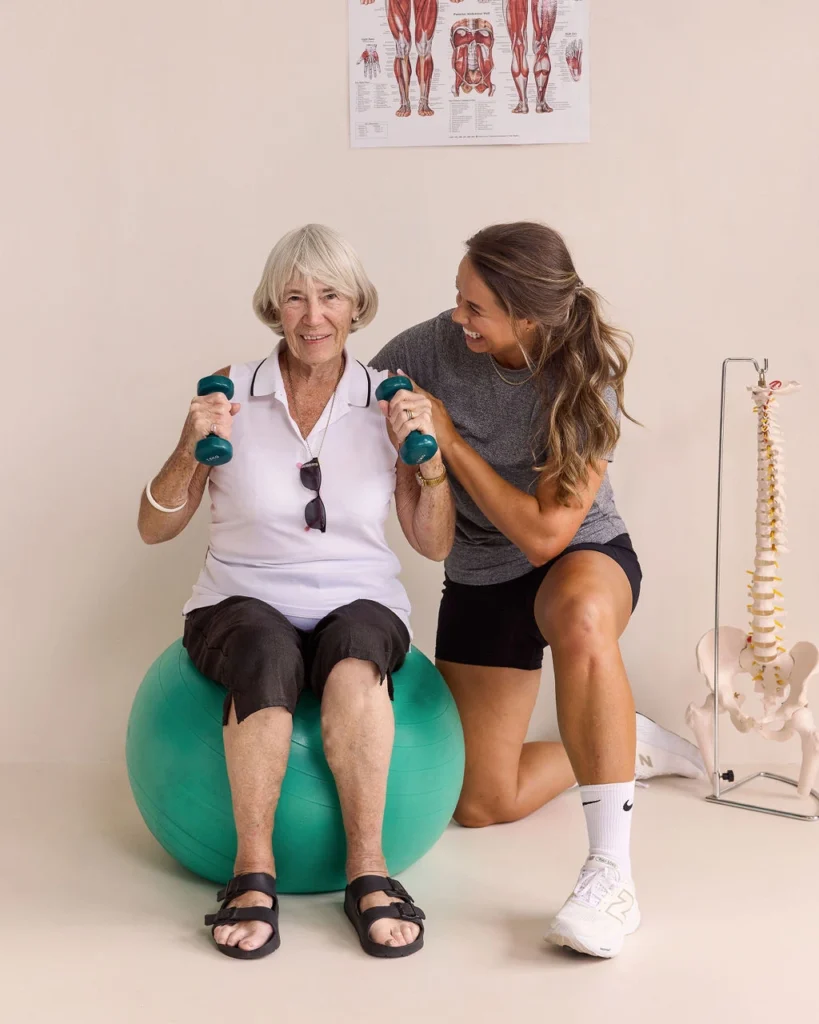
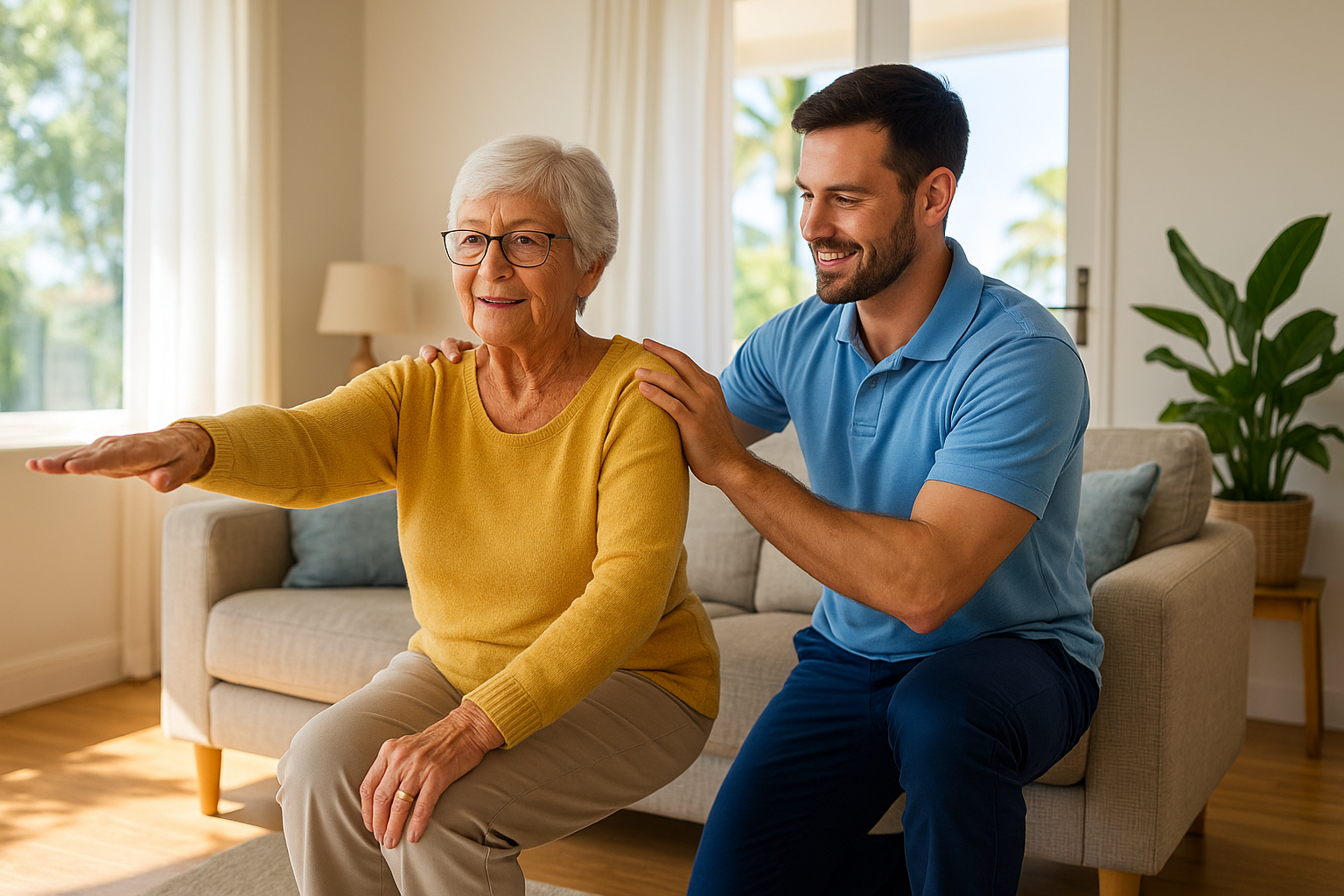
A mobile physiotherapist assists a senior with gentle arm exercises at home, helping improve flexibility and strength after an injury.
Post-Surgery Rehabilitation at Home
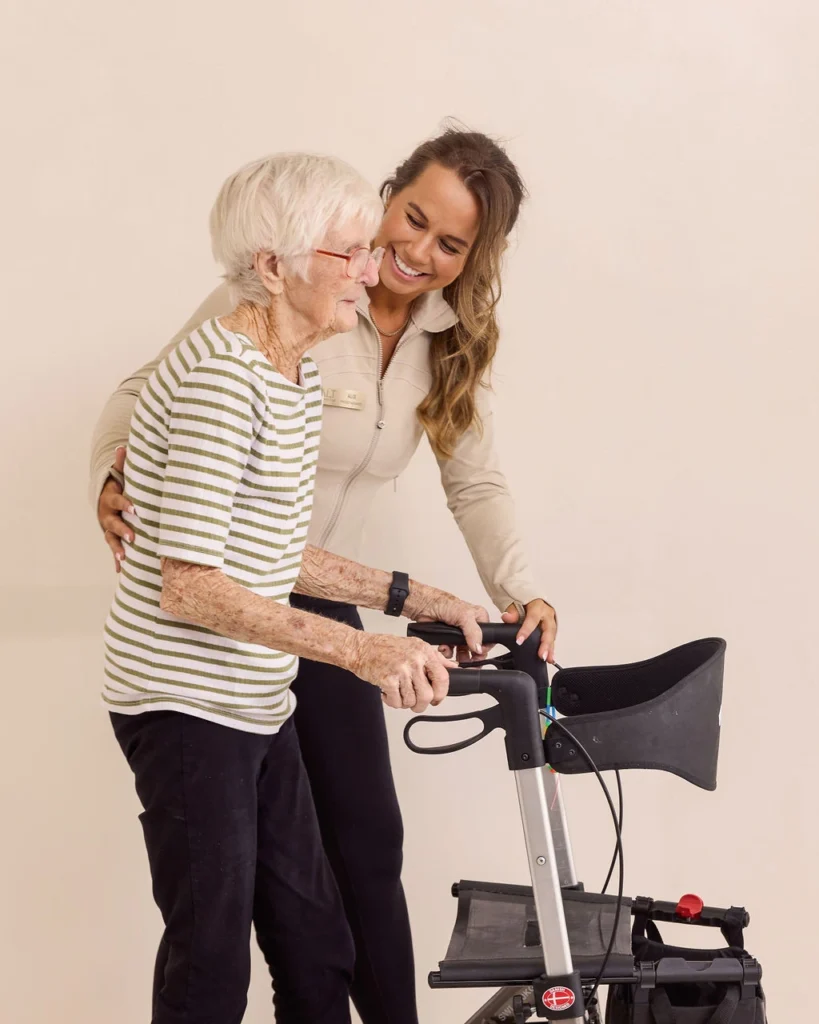
Coming home after a surgery (such as a hip or knee replacement, or a surgery following a fall) is just the first step – proper rehabilitation is crucial to regain strength and function. Travelling to a clinic for physio appointments can be difficult and painful in the early post-op days. That’s where mobile physio truly shines. By receiving care at home, patients can start therapy sooner and with less stress. There’s no exhausting car ride or hospital transport to arrange, so you won’t be tempted to delay your rehab. A mobile physiotherapist will design a safe exercise program to improve your joint movement, build up muscle strength, and monitor your pain levels – all in the comfort of your own space. They’ll also make sure you’re walking correctly (maybe with a walker or crutches initially) and help you practice daily tasks like getting in and out of bed or climbing your front steps. This real-world practice speeds up recovery: research shows that home-based physiotherapy can often be as effective as clinic sessions, leading to strong outcomes in pain relief and mobility gains. For Sunshine Coast seniors who have undergone surgeries, in-home rehab means healing without the extra burden of travel – allowing you to focus energy on getting better, faster.
Managing Chronic Pain and Arthritis
Many older adults live with chronic conditions such as arthritis, back pain, or osteoporosis. These conditions can make it tough to venture out frequently, yet regular exercise and therapy are key to managing pain and maintaining mobility. Mobile physiotherapists can be a lifeline for those with chronic pain. They come to your home and help with gentle joint mobilisations, stretches, and strengthening exercises targeted to relieve pain. For example, if arthritis in your knees makes walking difficult, a physio might guide you through low-impact leg exercises and teach you techniques to reduce strain on the joints. They might also use modalities like heat therapy or TENS (if appropriate) right there at your home. By scheduling weekly or biweekly visits, you get ongoing support to keep pain under control and muscles strong. Importantly, the therapist can observe how you move around your house and suggest small changes – like furniture rearrangements or assistive devices – to ease daily tasks that currently aggravate your pain. Consistent home physio can help break the cycle of pain and inactivity. Over time, clients often report being able to do more and hurt less in their day-to-day lives thanks to these personalised at-home sessions.
Neurological Conditions (Stroke, Parkinson’s & More)
Individuals who have had a stroke, or those living with neurological conditions like Parkinson’s disease or multiple sclerosis, often benefit immensely from physiotherapy – but they may also have limited mobility that makes clinic trips challenging. Mobile physio is ideal in these cases. A physiotherapist experienced in neurology will come work with the person right in their home environment, which is actually where they need to relearn and practice skills. For a stroke survivor, the physio might help with exercises to improve leg strength and balance for walking, or arm exercises to regain use of an affected limb. They can also practice functional activities like moving from bed to wheelchair, navigating through doorways, or getting to the bathroom safely. Practicing these actions in the real home setting (instead of a simulated clinic setup) is proven to help people regain independence more effectively. For someone with Parkinson’s, a mobile physio can introduce balance drills and gait training in the hallways and rooms where the client actually walks every day, as well as teach strategies to prevent freezing episodes or falls at home. Family or carers can be involved during sessions to learn how to support the client better. Mobile physiotherapists also often coordinate with other home-based services (like occupational therapy or speech therapy) for a holistic approach. Thanks to in-home physio, many Sunshine Coast residents with neurological challenges are improving their mobility and confidence, right in the homes they aim to continue living in.
Balance Issues and Fall Prevention
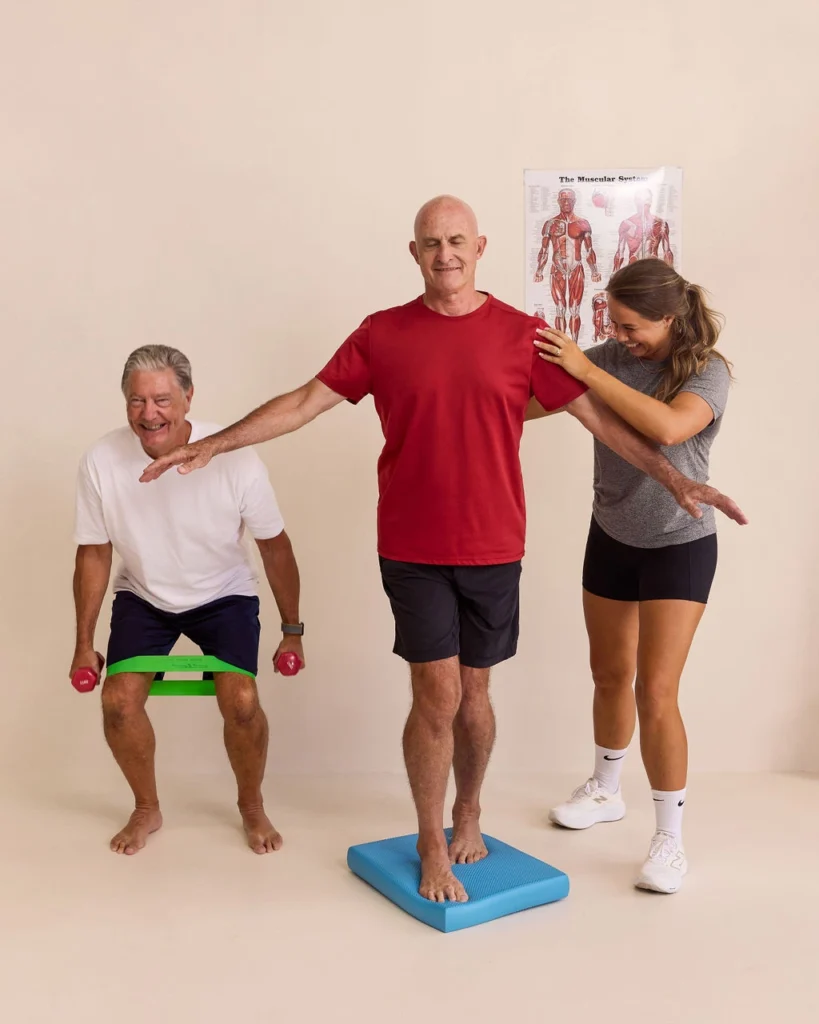
Falls are one of the biggest concerns as we age – and a primary reason many older people seek physiotherapy. If you’ve felt unsteady on your feet or had a fall in the past, a mobile physio can conduct a comprehensive falls risk assessment in your home. They will observe you walking around the house, using stairs, getting up from chairs, etc., to pinpoint what might lead to a loss of balance. Because they are in your actual home, they can identify trip hazards (slippery tiles, loose rugs, poor lighting) and suggest fixes on the spot. Then comes the exercise part: your physio will guide you through a tailored balance training program – things like standing on one foot (with support nearby), gentle leg strengthening moves, and practicing walking on different surfaces. If you use a walking stick or frame, they’ll ensure it’s the correct height and you’re using it properly. Fall prevention goes hand-in-hand with building overall strength and coordination. The therapist might incorporate exercises like Tai Chi-inspired moves or stepping exercises that have been shown to improve stability. They may also work on reaction time and teach you how to catch yourself safely if you do trip. All of this can be done right in your living room or garden. With regular training, many seniors significantly improve their balance and feel safer moving about. The bonus of doing it at home is that you’re gaining confidence exactly where you need it day-to-day. Families often notice a big boost in their loved one’s assurance and activity level after a few months of at-home physio focused on balance.
Orthopedic Injuries and Joint Conditions
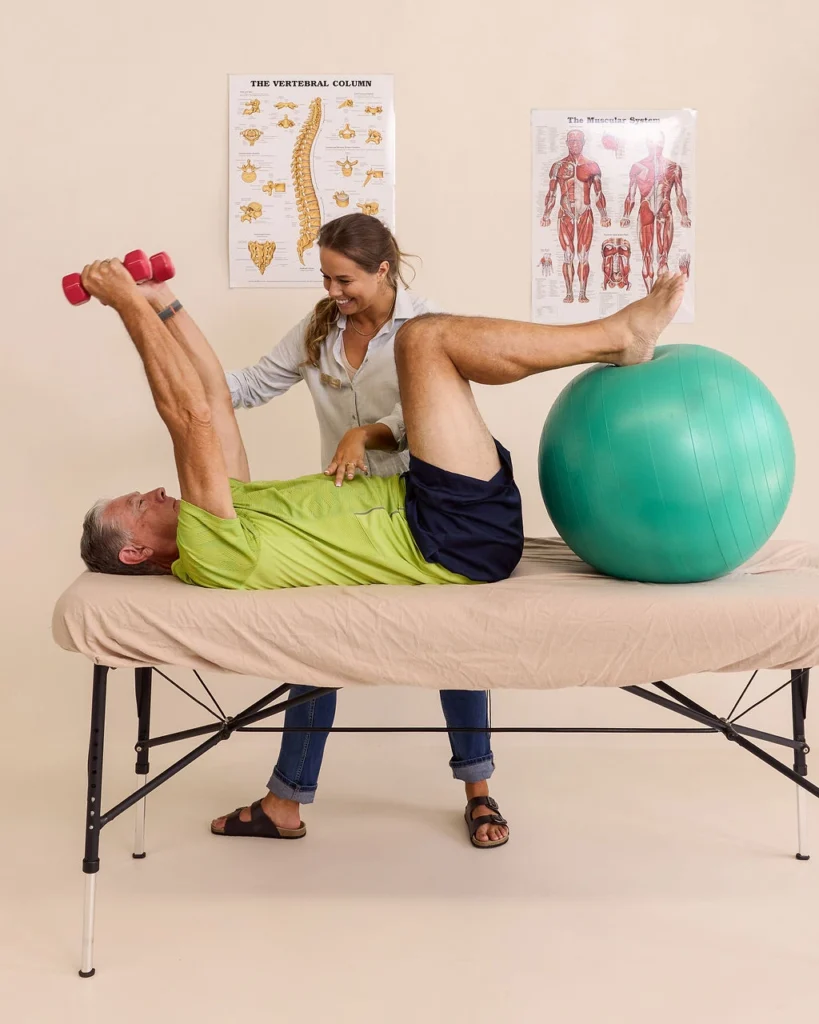
Beyond post-surgical rehab and chronic diseases, mobile physiotherapy also covers a range of orthopedic injuries and joint conditions common in older adults. Have an old shoulder injury flaring up? A physio can come by to help increase your shoulder’s range of motion and reduce pain with guided exercises. Dealing with frequent back pain or sciatica? They can show you stretches and core-strengthening moves to do on your bedroom floor, and even give gentle hands-on treatment if needed, like soft tissue massage, to relieve tension. Because the therapist is at your home, they can see how you perform everyday movements – like how you bend to pick something up or how you sit at your kitchen table – and then correct your posture or body mechanics to protect your joints. Many common age-related issues like knee osteoarthritis or rotator cuff strains can be managed effectively with periodic physio sessions and a home exercise program. And when the therapist visits at home, they can ensure you’re doing the exercises correctly in your own environment (using that sturdy chair in the living room for support, for example). Mobile physios also help with things like fracture rehabilitation (after the cast comes off) – guiding safe exercises to restore strength and flexibility in the injured limb. Essentially, any musculoskeletal problem that doesn’t absolutely require specialized clinic equipment can often be addressed with mobile physio. They bring simple tools (like resistance bands, light weights, balance mats) as needed. The result is you get a targeted rehab program for your aches or injuries without the inconvenience of going out – particularly beneficial on those tough pain days when leaving the house is the last thing you want to do.
Keeping Seniors Active and Independent in Sunshine Coast
One of the greatest advantages of mobile physiotherapy is how versatile it is in addressing multiple health issues right at home. It’s not limited to one type of patient. Mobile physio can help people recovering from surgeries, those managing long-term conditions, and seniors who simply want to improve their fitness and prevent problems down the road. Some other common use cases include COPD or lung condition management (where a physio guides breathing exercises and endurance training at home), and general deconditioning (maybe after a prolonged illness or hospital stay where an older person lost strength – physio can help rebuild it gradually in their home setting). As noted, a wide range of conditions from neurological to orthopedic can be treated with at-home physiotherapy.
For families on the Sunshine Coast, mobile physio services offer peace of mind that loved ones are getting professional care without the risks or hassle of travel. Whether you live in Maroochydore, Caloundra, Noosa or anywhere in between, you can likely arrange for a qualified mobile physiotherapist to come by. It’s healthcare tailored to where the patient is. By addressing the specific challenges and goals of seniors in their own environment, in-home physio helps keep our community’s older adults more active, safe, and independent at home. And that means a better quality of life – which is what we all hope for as we or our loved ones age.